Understanding the Complex World of Jueteng in the Philippines
Jueteng is an illegal numbers game that has been woven into the fabric of Filipino culture. Known for its pervasive influence and deep-rooted history, it is often described as a "game of luck" playing out daily across various regions in the Philippines. Despite being illegal, Jueteng is entrenched in communities, providing both livelihood and controversy. Understanding its sophistication and the implications it carries is crucial.
The Origins and Mechanics of Jueteng
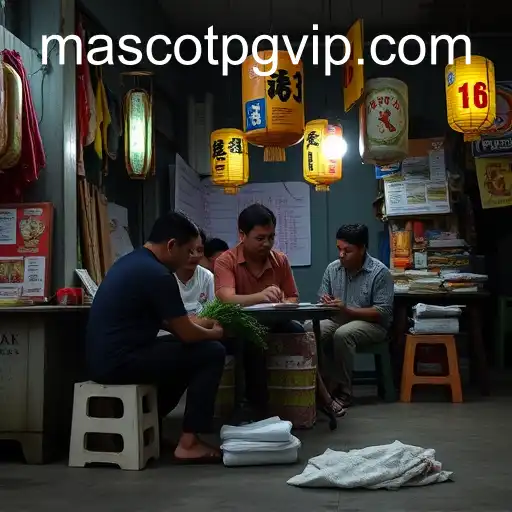
The origins of Jueteng trace back to the Spanish colonial era, making it a game with over a hundred years of history. The name "Jueteng" comes from the Chinese "hua" which means flower, and "teng" meaning stakes. Essentially, it is a numbers game where players bet on number combinations, akin to a lottery. The organization of Jueteng involves several roles: the "cobrador" (collector), who gathers bets from players; the "cabo" or "cabecilla", the one managing the operations; and the "jueteng lord", the operator who oversees the entire process and cash flow.
Every day, bettors select two-number combinations ranging from 1 to 37. These numbers are often reflective of cultural and superstitious beliefs, influenced by dreams, significant events, or personal experiences. The winning numbers are typically drawn twice daily, with a cash prize given to the winners derived from the accumulated bets.
The Socio-Economic Impacts of Jueteng
Jueteng holds significant socio-economic weight in the communities where it exists. For many Filipinos, especially in rural and impoverished areas, it offers a form of employment and a chance to improve their financial standing, however marginally. Despite its illegal status, Jueteng provides substantial income to its operators, while also financially supporting local officials and police, through corruption, ensuring its continuity.
However, this game is not without its consequences. Jueteng perpetuates systemic corruption, with the proceeds funneled into bribery and illegal activities. It undermines legitimate economic activities and local governance by redirecting funds meant for public services into private hands. In an economy marked by disparities, Jueteng emerges as both a symptom and a contributor to enduring poverty.
Legal Framework and Enforcement Challenges
The complicated web of Jueteng is exacerbated by inadequate enforcement and the ambiguous legal framework surrounding gambling in the Philippines. Although numerous efforts have been made to eradicate Jueteng, including several high-profile crackdowns and investigations, it persists due to various systemic issues.
The Philippines' gambling laws have inconsistencies and loopholes; authorized lotteries such as the Philippine Charity Sweepstakes Office (PCSO) provide a legal front for gambling while Jueteng operates in the shadow of such legit operations. Corruption within law enforcement and among local officials abets Jueteng activities, with many law enforcers alleged to be in cahoots with operators, providing protection in exchange for bribes.
Attempts to establish alternatives, such as Small-Town Lottery (STL), have been made to curb Jueteng's influence. However, STL has often been criticized for acting as a "front" for Jueteng operators, further complicating enforcement efforts.
The Intersection of Politics and Jueteng
The tentacles of Jueteng reach into the political sphere, influencing local and national elections. The game serves as a conduit for political patronage, where Jueteng lords leverage their financial power to sway votes by supporting preferred candidates. This scenario perpetuates a cycle of dependence and lack of accountability. Political leaders, who benefit from Jueteng finances, seldom act against it, fostering an environment where illegal activities can flourish under a veil of political sanctity.
Technology, Society, and the Future of Jueteng
In recent years, technology has begun to alter the landscape of traditional gambling activities like Jueteng. The advent of online platforms and digital access has created new avenues for similar forms of gambling to proliferate. For context, "mascotpg PH Login" represents a digital approach to gaming, showing how technology could further complicate efforts to control illegal gambling if platforms move online.
Despite the modernization of gambling, Jueteng continues to persist due to its simplicity and accessibility. For many who lack internet access, traditional betting through Jueteng remains more feasible than exploring digital options. The societal need for such games to exist as economic and entertainment alternatives will continue to challenge forces trying to abolish it.
Conclusion
The perennial existence of Jueteng reflects deep-seated socio-economic challenges within the Philippines. While significant strides have been made to control, regulate, or legitimize gambling, the complexities surrounding Jueteng require a nuanced understanding of its role in Filipino society. Addressing this issue entails more than enforcement; it requires meaningful socio-economic reforms, transparency in governance, and possibly, the transformation of public perception toward gambling. As such, it remains a considerable challenge that intertwines culture, poverty, politics, and aspiration, making Jueteng a compelling case study in socio-economic resilience and adaptation.